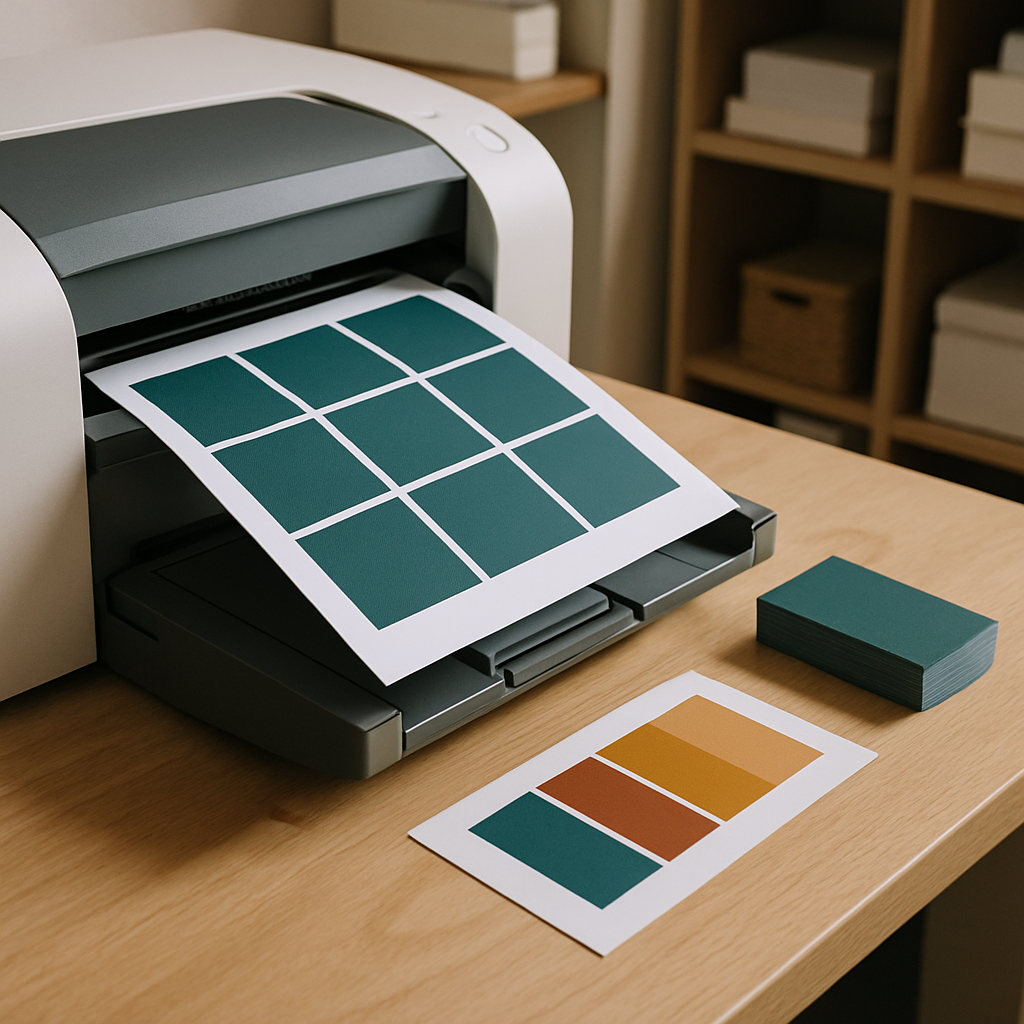
Brand Colors for small-batch cards
Brand Colors is one of the checkpoints that makes a business-card printer practical for low-volume teams. It affects how confidently a designer, consultant, shop owner, or service provider can print cards without outsourcing every small update.
This page supports the main business-card printer guide and gives one top contextual path to the LeStallion product shortlist.
Use real card designs for testing, especially tiny type, dark color blocks, QR codes, and logo marks.
Practical print note 1
Small-batch printing rewards patience. Use one controlled proof, inspect text edges, let ink dry fully, and only then print the rest of the set. The extra few minutes can prevent an entire batch from looking rushed.
Keep supplies together: card stock, spare ink or toner, a cutter, a ruler, envelopes, and a clean storage sleeve. A printer is only one part of a reliable card workflow.
When results look inconsistent, change one variable at a time. Switching stock, quality mode, file export, and trim settings all at once makes the real cause hard to find.
Practical print note 2
Small-batch printing rewards patience. Use one controlled proof, inspect text edges, let ink dry fully, and only then print the rest of the set. The extra few minutes can prevent an entire batch from looking rushed.
Keep supplies together: card stock, spare ink or toner, a cutter, a ruler, envelopes, and a clean storage sleeve. A printer is only one part of a reliable card workflow.
When results look inconsistent, change one variable at a time. Switching stock, quality mode, file export, and trim settings all at once makes the real cause hard to find.
Practical print note 3
Small-batch printing rewards patience. Use one controlled proof, inspect text edges, let ink dry fully, and only then print the rest of the set. The extra few minutes can prevent an entire batch from looking rushed.
Keep supplies together: card stock, spare ink or toner, a cutter, a ruler, envelopes, and a clean storage sleeve. A printer is only one part of a reliable card workflow.
When results look inconsistent, change one variable at a time. Switching stock, quality mode, file export, and trim settings all at once makes the real cause hard to find.
Practical print note 4
Small-batch printing rewards patience. Use one controlled proof, inspect text edges, let ink dry fully, and only then print the rest of the set. The extra few minutes can prevent an entire batch from looking rushed.
Keep supplies together: card stock, spare ink or toner, a cutter, a ruler, envelopes, and a clean storage sleeve. A printer is only one part of a reliable card workflow.
When results look inconsistent, change one variable at a time. Switching stock, quality mode, file export, and trim settings all at once makes the real cause hard to find.
Practical print note 5
Small-batch printing rewards patience. Use one controlled proof, inspect text edges, let ink dry fully, and only then print the rest of the set. The extra few minutes can prevent an entire batch from looking rushed.
Keep supplies together: card stock, spare ink or toner, a cutter, a ruler, envelopes, and a clean storage sleeve. A printer is only one part of a reliable card workflow.
When results look inconsistent, change one variable at a time. Switching stock, quality mode, file export, and trim settings all at once makes the real cause hard to find.
Practical print note 6
Small-batch printing rewards patience. Use one controlled proof, inspect text edges, let ink dry fully, and only then print the rest of the set. The extra few minutes can prevent an entire batch from looking rushed.
Keep supplies together: card stock, spare ink or toner, a cutter, a ruler, envelopes, and a clean storage sleeve. A printer is only one part of a reliable card workflow.
When results look inconsistent, change one variable at a time. Switching stock, quality mode, file export, and trim settings all at once makes the real cause hard to find.
Decision notes for small offices
Before buying, list the people who will actually use the printer. A machine that only one person understands may become a bottleneck. Simple trays, visible controls, and predictable supplies make the printer more useful for assistants, owners, and part-time staff.
Think about design changes. If names, titles, QR codes, coupon text, or event details change often, a small-batch printer can prevent waste. If the card design stays the same for a year, outsourced printing may still be easier.
Also consider where cutting happens. A great print with poor trimming still feels homemade. The workflow should include a cutter or pre-perforated stock that fits the quality level expected by clients.
Quality-control routine
Inspect one card from the top, middle, and end of the batch. Look at corners, text edges, color consistency, and whether any ink transfers when touched. If results drift, stop and adjust instead of hoping the rest will look better.
Keep the approved sample with the printer. Future batches can be compared against that sample under the same light, which is much more reliable than judging from memory.
When the result is not good enough, change stock or design before forcing the printer to do work it is not built for. Small-batch printing should feel controlled, not heroic.
Real-world use cases
A local consultant may need twenty cards before a morning meeting. A craft seller may need a small batch with a market-specific discount code. A classroom, studio, or reception desk may need simple appointment cards that look close to the brand without ordering thousands. These are the situations where a practical business-card printer can earn its place.
The printer should support fast iteration without encouraging sloppy output. Print one proof, let it dry, check the trim area, and then print the batch. If the first proof looks weak, fix the file or paper setting before more sheets are wasted.
Keep expectations clear. A compact office printer can make polished small batches, but it does not remove the need for design discipline. Legible type, strong contrast, clean margins, and restrained ink coverage make the machine look better than it is.
Storage and reprint planning
Save the final artwork, print settings, paper brand, and cutter notes in one folder. When a card needs to be reprinted months later, this record prevents color shifts and sizing surprises. It also helps another team member repeat the batch without guessing.
Use dated proof cards. Write the stock, setting, and date on the back of one sample from every successful run. Over time, this creates a practical reference library for future small-batch decisions.
Store blank stock flat and sealed. Bent corners, humidity, and dust can cause feed problems that look like printer failure but actually come from poor storage.
Final preprint question
Ask whether the card would still feel professional if handed to a careful client today. If the answer is uncertain, pause and improve the file, stock, or settings before printing the full batch.
Related reading
Return to the main guide, compare printers on LeStallion, or continue to the previous Firebase cloud resource at this related office equipment guide.